
VERTICAL PUMP VGA
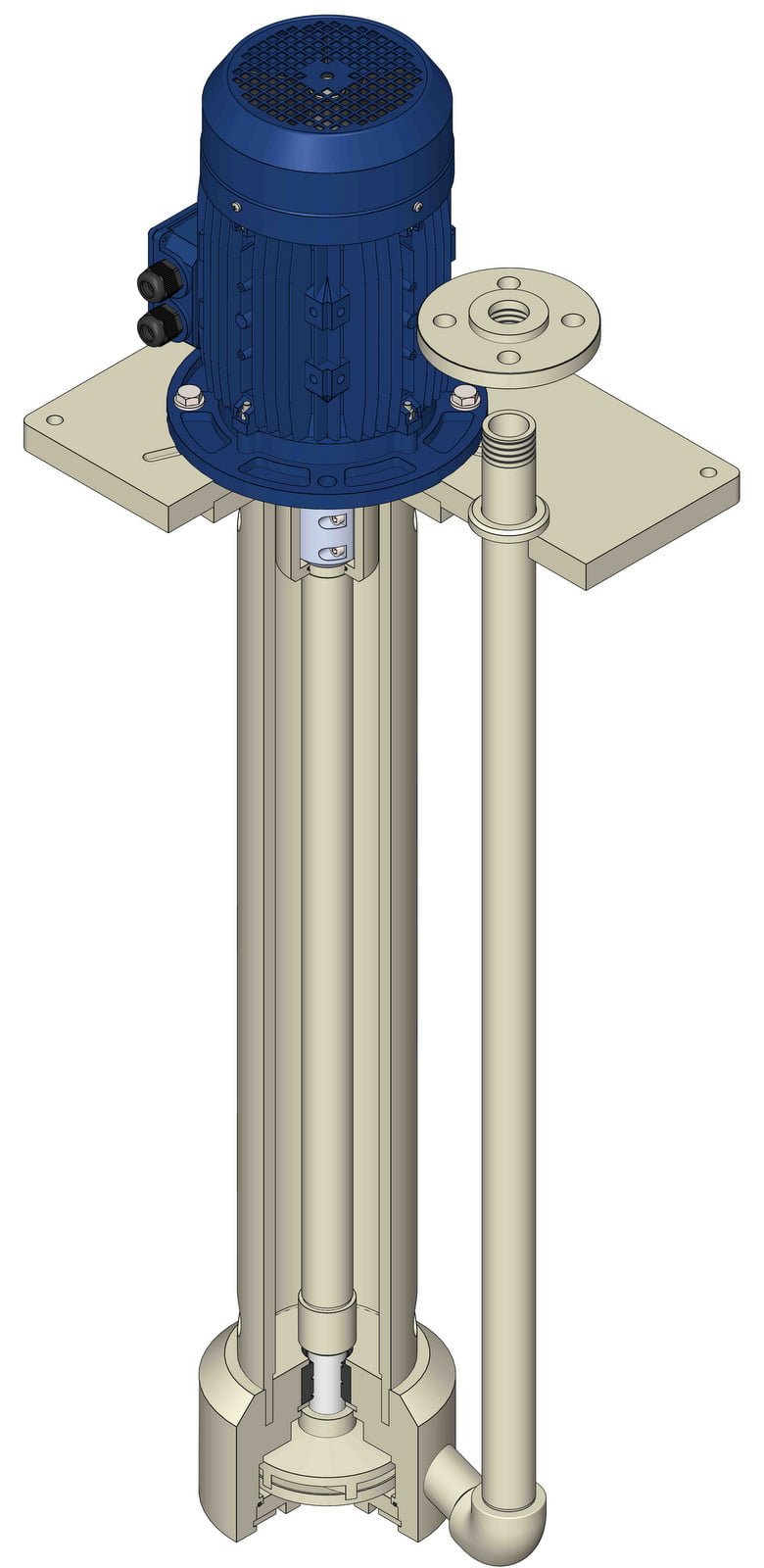
VERTICAL PUMP VGA
- built in Polypropylene (PP), PVC or PVDF is guaranteed to a wide range of chemicals with temperatures up to 90 < /li>
- shaft terminal guide with ceramic bushing
- no metal part is in contact with the pumped liquid
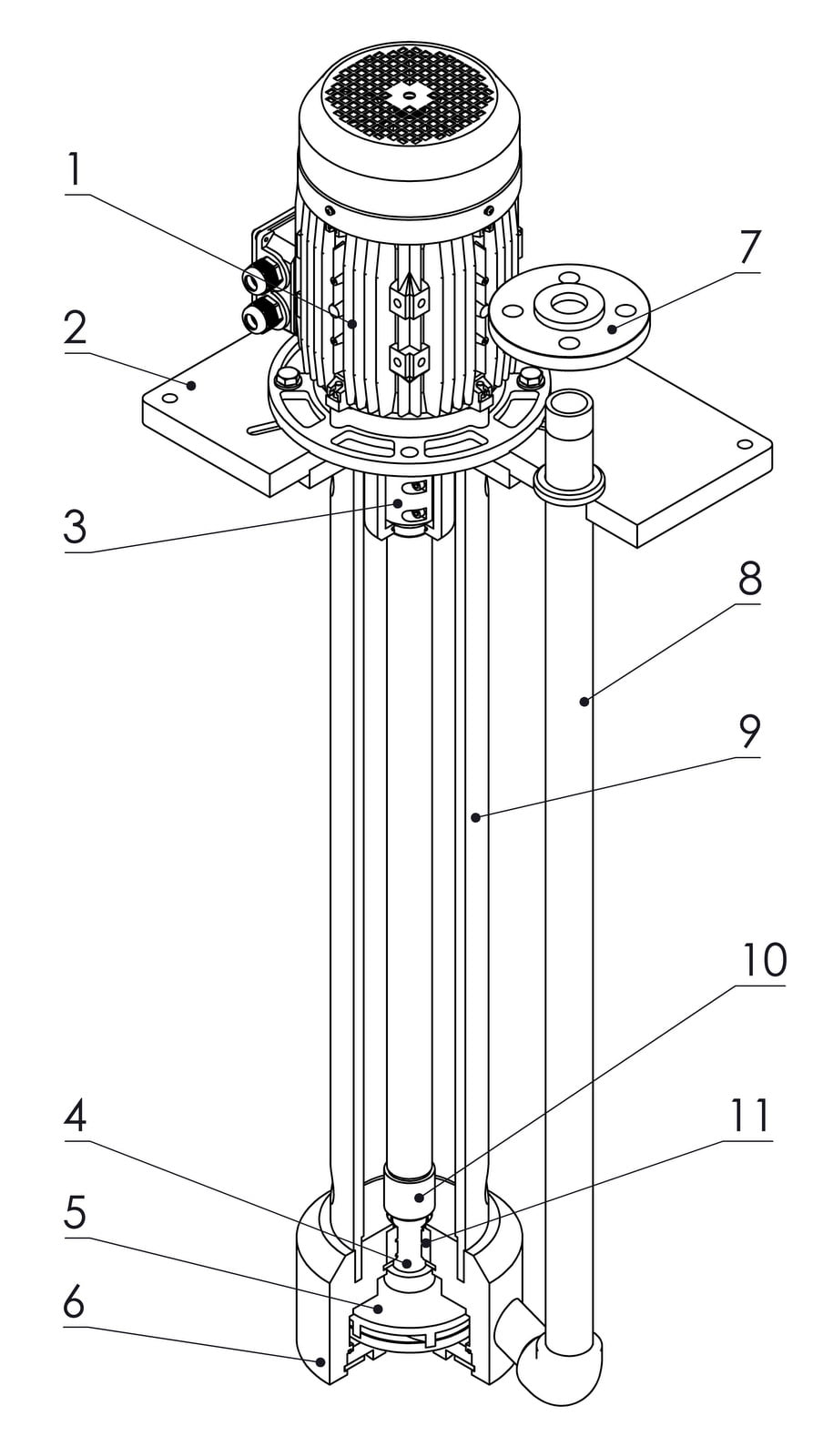
- Motor
- Fastening Plate
- Ceramic Bush
- Impeller
- Pump Housing
- Flange
- Delivery Pipe
- Dip Tube
- Coating End
- Guide Bush
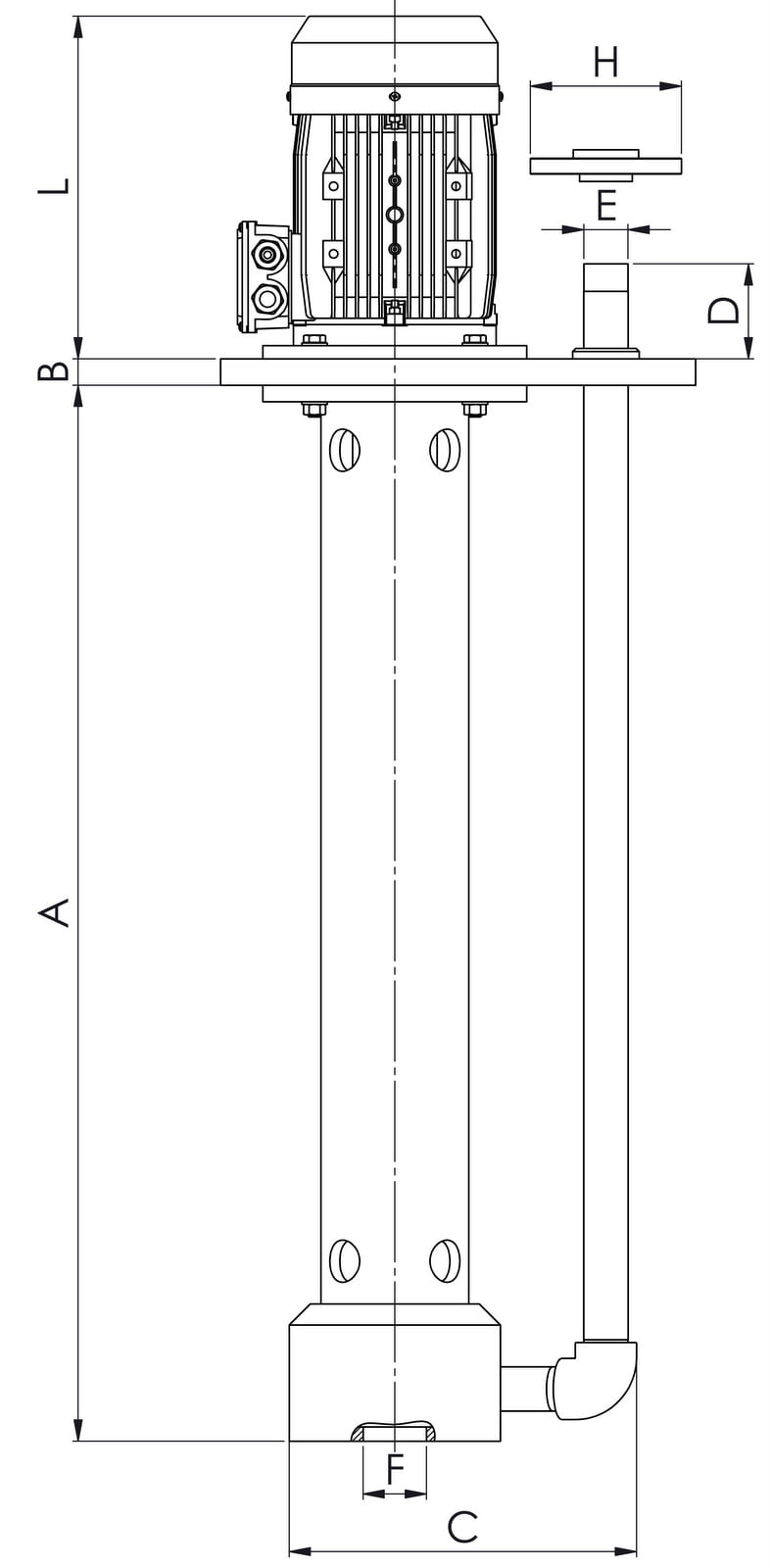
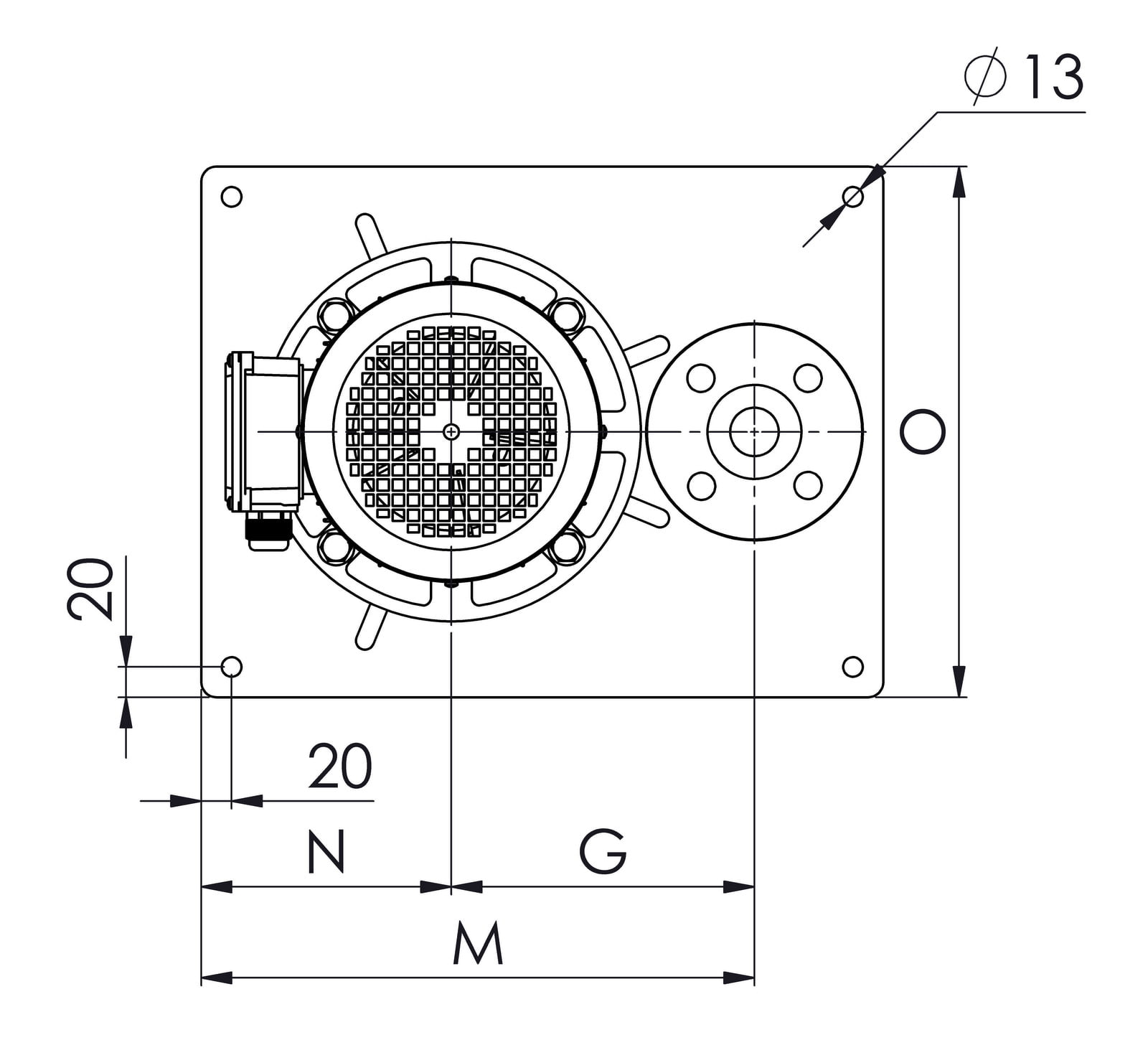
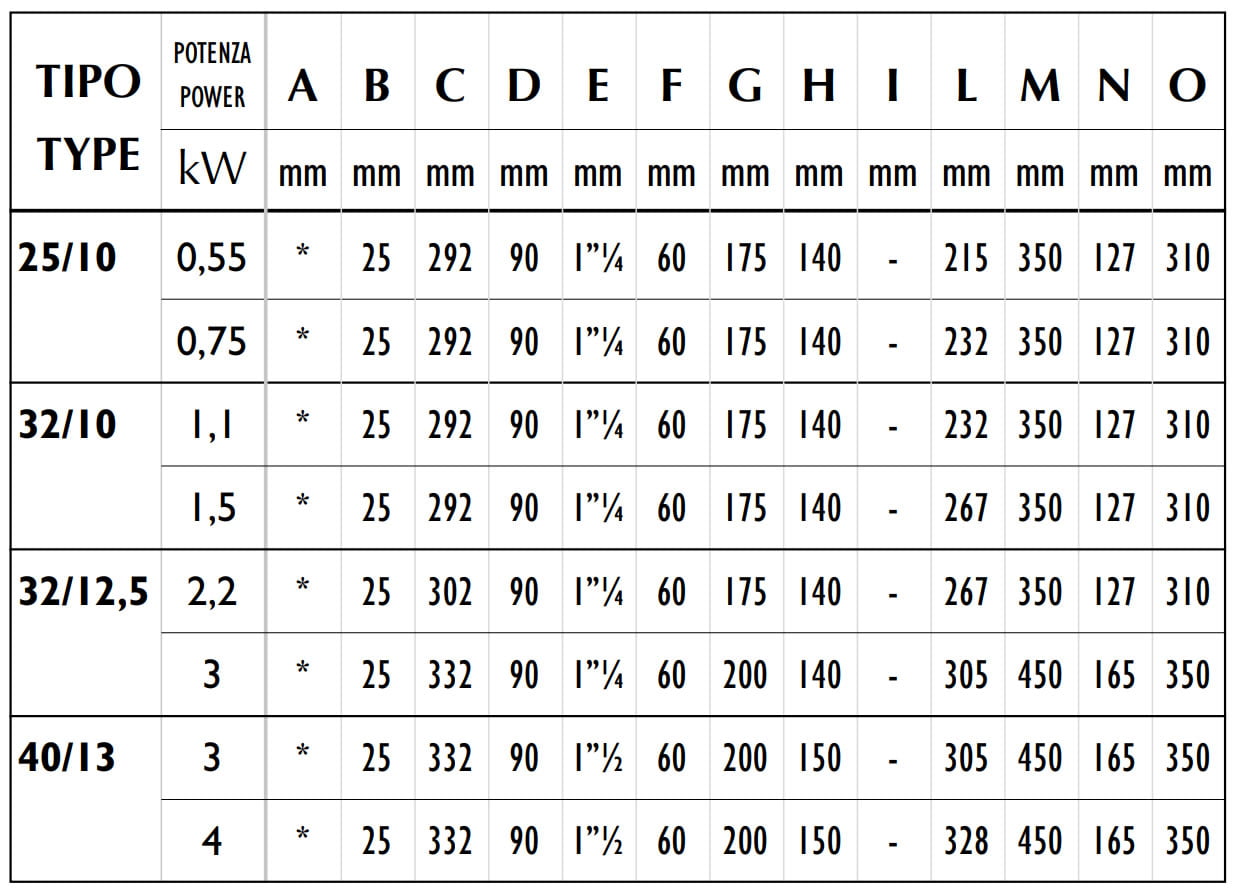
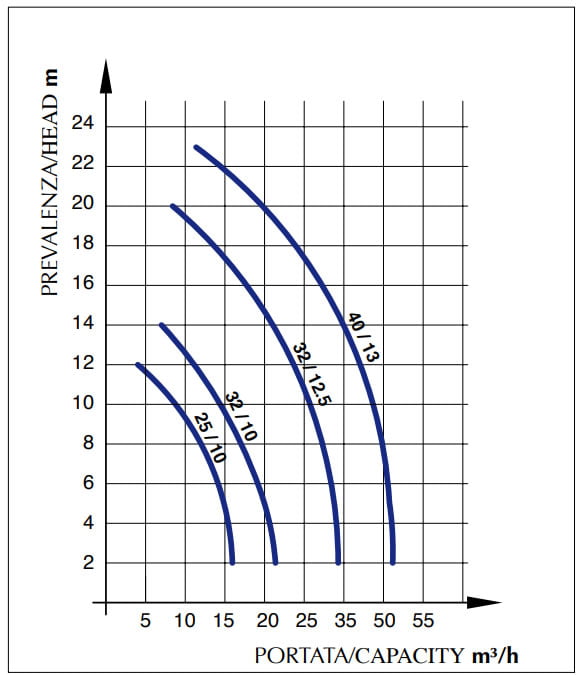
TECHNICAL DATA
MORE INFO?
VGA vertical pump: ceramic guide, PVDF option up to 90 °C
The VGA is a tank-mounted vertical pump built in polypropylene (PP), PVC or PVDF and suitable for a wide range of chemicals at temperatures up to 90 °C. The end of the shaft runs in a ceramic bushing that keeps it aligned close to the impeller, and no metal part comes into contact with the pumped liquid.
It sits between the VSK, whose shaft is cantilevered with no guides, and the VL/VLK, which adds a lantern with bearing and an elastic coupling for greater lengths. The PVDF option makes the VGA worth considering for more aggressive fluids or hot baths where PP or PVC is not enough. It is an acid pump that draws straight from the tank, with no suction line to prime.
- Drawing acids and alkalis from storage tanks
- Recirculating hot surface treatment baths
- Feeding chemical dosing lines
- Emptying process tanks in the chemical industry
- Handling oxidising fluids with the PVDF version, after compatibility checks
Frequently asked questions
What is the ceramic bushing for?
It guides the end of the shaft and limits shaft deflection in operation. Ceramic resists both chemical attack and wear, so it can run submerged in the corrosive fluid.
PP, PVC or PVDF?
As a rule, PP is the most versatile material, PVC is used at lower temperatures and PVDF offers the broadest chemical resistance, including at high temperature. The final choice is made on the actual fluid using a chemical resistance chart.
When should I move from the VGA to the VL?
When the immersion length increases and the shaft needs sturdier mechanical support. The VL/VLK has a lantern with bearing, an elastic coupling and, above 2000 mm, a double ceramic guide.